
How to Pack the Coolife 30L Travel Backpack for a 2-Day Trip
 By Brandon Schultz Published
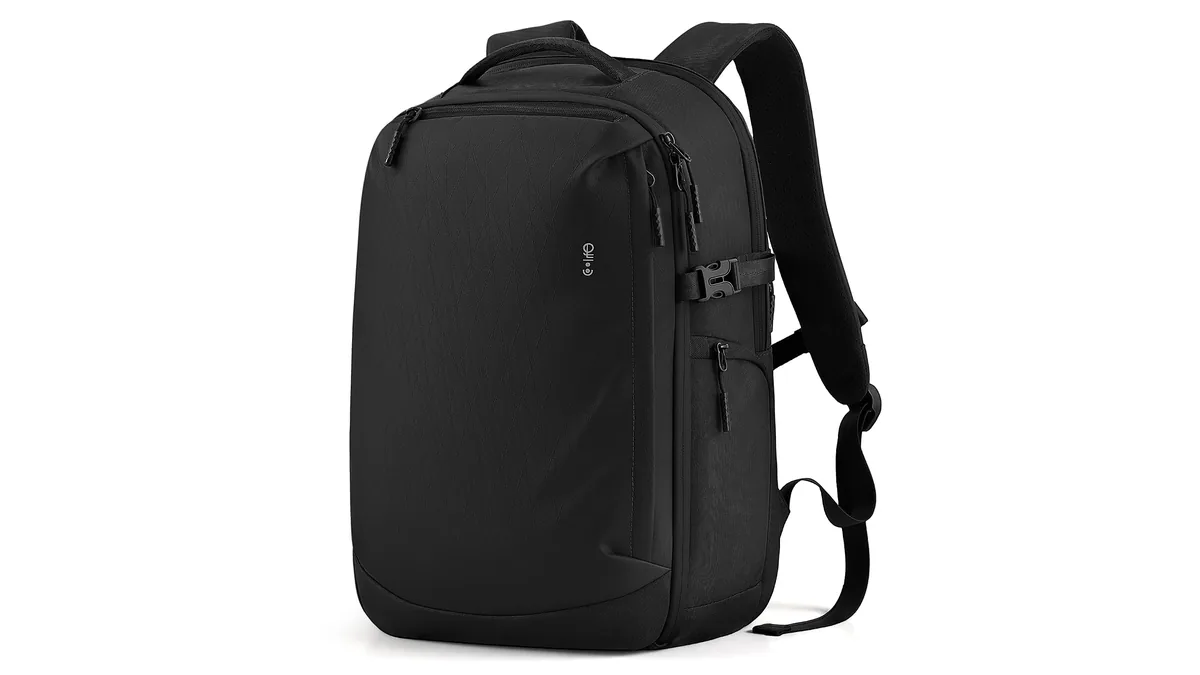
Pack the 30L Travel Laptop Backpack, Black around two separate needs: clothes that can stay packed and essentials you must reach on the way. The bag opens flat for loading, then converts to a slimmer commuter arrangement. A trial pack at home will tell you more than filling every pocket because it is available.
Decide what the two days require
Start with your itinerary, including what you will wear while traveling. Put out the clothes for the remaining activities, then remove duplicate outfits that serve the same purpose. A simple starting load is two shirts, one spare lower garment, underwear, socks and a light layer. Change that list for the trip rather than treating it as a guaranteed capacity test.
Lay toiletries and electronics beside the clothes before packing anything. These are easy to underestimate when deciding how much room remains. Shoes need their own bag if they travel with clean clothes. Wearing the bulkier pair can be more practical than trying to force a rigid shoe box into the main compartment.
Load the flat compartment first
For travel packing, unclip the accordion side wings so the main compartment opens 180 degrees. Lay the bag flat and arrange the larger items while you can see the whole space. Rolled clothes or soft packing cubes can help group an outfit; the useful result is being able to remove one group without dismantling everything else.
Keep heavier items nearer the back panel, and avoid concentrating the whole load in the front pockets. Close the main compartment before filling the small organizers. If it already bulges or requires force to zip, revise the load now. Compression straps can steady the contents, but they are not a substitute for removing something that does not fit.
Give the devices a flat space
Coolife describes the padded compartment as fitting a 15.6-inch laptop and a tablet, with a suspended bottom. Load the devices while the bag is still easy to handle. Keep that sleeve flat rather than using spare corners for hard chargers that press against the computer.
Screen size is a useful starting description, not a measurement of every laptop's body. Check your machine's dimensions, especially with a protective case attached. If access requires unpacking clothes or wrestling a tight zipper, change the arrangement before leaving. A device you need at security or on arrival should come out without spilling the main compartment.
Assign pockets by the next time you need them
Use the front organizer for documents and a pen, and the top pocket for frequently used small items such as earbuds. Put keys on the clip in the side quick-access pocket so they do not disappear among cables. A charger pouch in the mesh pocket keeps loose plugs from spreading through the clothes.
The hidden back pocket can hold a wallet or cards, while the side bottle pocket accepts a bottle up to 24 oz or a folding umbrella. Test access with the bag packed and on your shoulder. A pocket that is convenient when empty may be awkward when nearby compartments are full. Move an item because you use it often, not merely because its category seems to match the pocket name.
Keep damp items and electronics apart
Use the wet/dry section to separate toiletries or damp items from clean clothes. Check containers before packing; a separate section does not remove the need to close bottles properly. Avoid making this the default overflow pocket for anything that will not fit elsewhere, or its contents become difficult to remove when needed.
The exterior is water-resistant 500D polyester, with a water-resistant 200D lining and water-repellent zippers. Those descriptions do not make the backpack a dry bag. Plan additional protection for electronics if the trip involves prolonged rain, and do not assume a padded laptop compartment is itself waterproof.
Check the loaded bag against the journey
The listed dimensions are about 17.7 × 12.2 × 6.7 inches, with an empty weight around 2.2 lb. Check the packed shape, not just the empty specification. Compare it with your airline's current personal-item allowance; the carry-on size guide can help organize that check. A nominal capacity does not guarantee under-seat acceptance.
If you are taking a spinner, try the luggage pass-through on its telescopic handle before departure. Make sure you can still use the handle comfortably with the backpack loaded. The carry-on luggage range is a separate option when your clothing load exceeds what you want to carry on your back.
Leave room for the return trip
Try repacking with worn clothes separated from the clean items you still need. A neat outward load can become awkward once the original outfit groups have been opened. Reserve a simple place for laundry instead of filling every gap on departure. Keep any damp items separate and deal with them promptly rather than leaving them shut in the bag through the next day.
If you expect to bring something home, account for it during the trial pack. Remove an optional item now or plan a second piece of luggage. Do not depend on buying an organizer to create capacity that is already occupied. Photographing your successful layout can help you rebuild it at the hotel without turning the room into a packing exercise.
Reset it for the day after arrival
Unload the overnight clothing before converting the bag to a workday layout. Clip the accordion wings back into streamlined mode, then keep only the day's devices and essentials inside. This is a change of use, not a way to squeeze an unchanged travel load into a thinner profile.
Finally, put the loaded bag on and adjust the padded S-shaped straps; use the removable chest strap if it suits the walk. Check that nothing hard presses through the back area and that the main zipper closes normally. Compare other Travel Backpacks if this trial repeatedly demands compromises. A packing plan should make the trip easier to manage, without depending on every compartment being filled to its limit.