
How to Remove Scuff Marks from Hard Shell Luggage, Gentlest Fix First
 By Brandon Schultz Published Updated
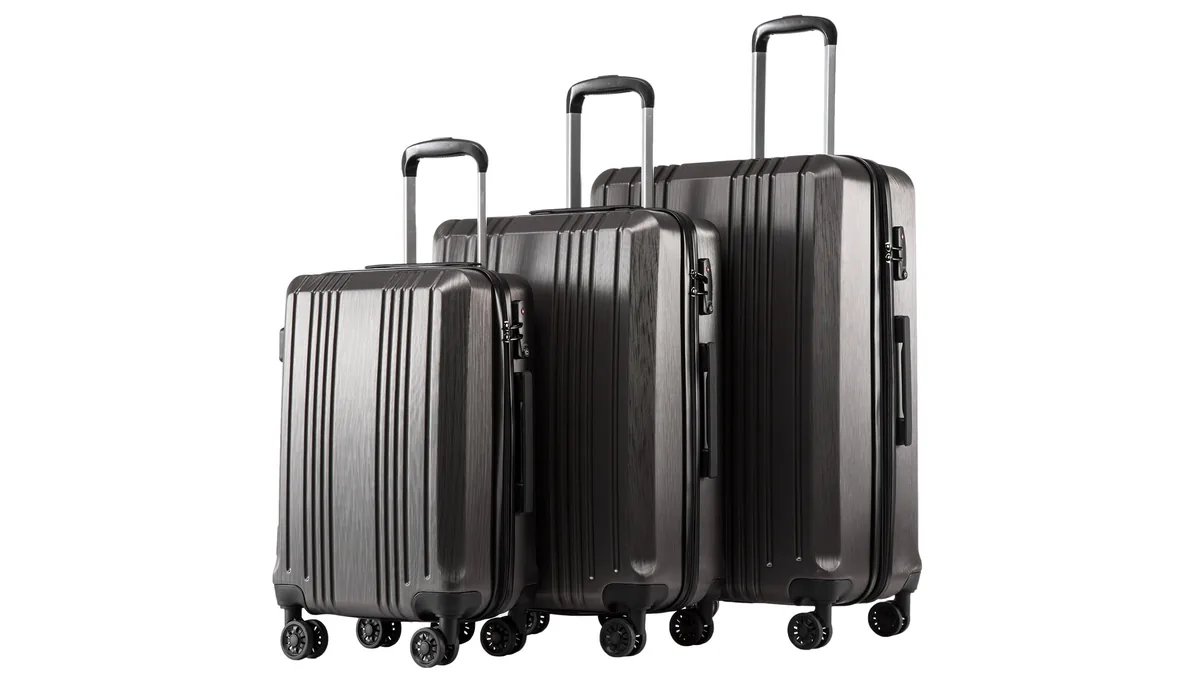
Most of the black streaks on a hard suitcase aren't in the shell at all. Monos, which makes polycarbonate luggage, says many scuffs on polycarbonate are transfer marks: rubber, paint or belt residue from something else, sitting on top of the surface. That's good news, because it means the gentlest cleaning often works. It's also why you should start gentle and only step up when a mark won't budge.
Below are four levels, from a dry wipe to plastic polish. Stop at the first one that works. The steps come from care advice published by the luggage makers Antler, Monos and July, and a Samsonite polycarbonate cleaning guide published by Luggage Superstore in the UK.
First, check what you're dealing with
Run a fingertip across the mark. If it feels smooth and only the color is different, it's most likely something sitting on the surface, and the levels below should shift it. If you can feel a groove, the shell itself has been cut. Cleaning will lift the dirt out of the groove, but it won't fill it in.
Monos draws a useful line here. Scuffs and scratches affect how a case looks. Structural damage affects how it works: a cracked shell, a broken wheel, a bent handle, or a closure that no longer lines up. If your case has any of those, cleaning isn't the fix.
Level 1: Dry dust-off
Empty the case and unzip every pocket so no water gets trapped inside later. Then go over the outside with a dry microfiber cloth or a soft brush.
This step is easy to skip, and it shouldn't be. The Samsonite guide puts it first because grit left on the shell can scratch it once you start wiping with a wet cloth.
Level 2: Warm water and mild dish soap
Mix a little dish soap into warm water. Dampen a soft cloth or sponge, wring it out well, and wipe the marked area in small circles. Antler suggests circular motions all over the shell. The Samsonite guide warns against scrubbing hard, so keep the pressure steady and moderate.
Then wipe off the soap with a second cloth dampened in plain water, and dry the case straight away with a clean microfiber cloth. Both Samsonite and Monos say not to let water air-dry on the shell, because it can leave streaks or water spots.
While you're at it, Antler suggests wiping the wheels, handles and other parts that stick out.
Level 3: A damp melamine sponge
If soap and water leave a shadow behind, this is where the luggage makers point you next. Antler and July both suggest a melamine sponge, the kind sold as a magic eraser, and July says to use it with a little warm water.
- Dampen the sponge and squeeze it out.
- Test it first on a hidden spot, such as the base near the wheels.
- Rub the mark lightly in small circles.
- Wipe with a damp cloth and dry the shell.
Monos says to use the sponge lightly and test a small area before you go near the front of the case. That test matters more on a glossy finish or a textured one, where a change in sheen would show.
Level 4: Non-abrasive plastic polish
For a stubborn mark on a polycarbonate shell, the Samsonite guide suggests a non-abrasive polish or cleaner made for polycarbonate. Put a small amount on a soft cloth, buff the mark in circles, and test on a hidden area first.
The care guides we used cover polycarbonate. If your case is ABS only, it's safer to stop at Level 3, or try the polish on the base before anywhere visible.
If a mark is still there after Level 4, it's probably a scratch, not a scuff. Monos treats that as normal cosmetic wear, not damage.
While it's open: the inside
Scuffs are on the outside, but a case that's empty and unzipped is the easiest time to clean the lining too. Antler's routine is to take out any removable parts, open every zipper and shake the case out, then vacuum the corners with a hose attachment. For a stubborn spill mark inside, it suggests a little laundry detergent mixed with water at about 1 to 5, worked in with an old toothbrush. Finish with a firm wipe-down and leave the case open until it's completely dry before you close it up.
What never to put on a hard shell
The care guides agree on this list. Between them, they rule out:
- Acetone, such as nail polish remover
- Bleach
- Abrasive powders
- Harsh chemicals, solvents and alcohol-based cleaners
- Abrasive sponges and scouring pads
- A pressure washer, or soaking the case in water
Monos warns that acetone, bleach and abrasive powders can dull the finish or damage coatings on some shells. The Samsonite guide adds that a pressure washer or soaking can damage zippers, seals and the lining.
How this applies to Coolife shells
Coolife hard cases come in a few shell types, and the finish affects how marks show.
Swipe sideways to see the whole table →
| Shell | Coolife example | Worth knowing |
|---|---|---|
| CNC-engraved textured polycarbonate | 3-Piece Travel Luggage Set, Pink | The set's 20" suitcase is described as having a CNC-engraved PC hardshell that helps reduce visible scratches; test Level 3 on the base first |
| ABS+PC | 24" ABS+PC Hardshell, Apricot White | Light finishes can show scuffs sooner than dark ones |
| 100% polycarbonate | Expandable Front-Pocket Carry-On, Apricot | All four levels are written for this material |
| ABS | 3-Piece ABS Set, Apple Green | Bright finishes show scuffs differently; stop at Level 3 unless a polish test on the base looks fine |
Keeping new scuffs off
- Use a luggage cover for checked bags. Monos says a cover won't make a case indestructible, but it cuts down on belt abrasion and the marks other bags leave. The Samsonite guide suggests one too.
- Wipe the case down after each trip, before dirt has time to set.
- Store it somewhere cool and dry, out of direct sunlight.
- If you're still choosing, a textured finish hides marks better than a smooth gloss. We cover that and other shell choices in Six Carry-On Mistakes to Avoid.
To compare shells, colors and sizes, browse Suitcases & Hardshell Spinners and Luggage Sets, or start with our Coolife review for the whole range on one page.